
|
Igongo Cultural Centre |
Igongo Cultural Centre | Igongo Cultural Centre | Igongo Cultural Centre |




|
|

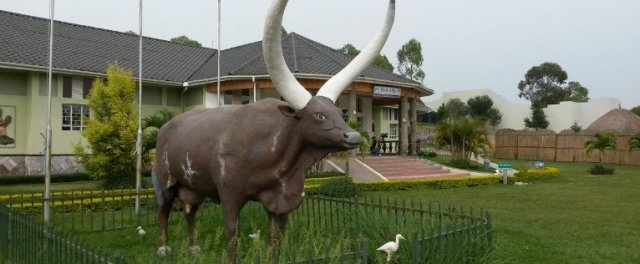
Beyond the displays of the museum, the centre incorporates the Enyemibwa grounds, which feature a living cultural village, a full-scale, accurate replica of a traditional Ankole homestead, known as a Muzinga, (below). This homestead is not merely a static model but an interactive installation demonstrating the traditional architectural techniques using local grasses and wooden supports. Visitors can walk through the enclosures, observing the designated spaces for calves, the family’s cooking area, and the sleeping huts, providing a tangible sense of the domestic life of the 19th and early 20th centuries. Often, traditional craftspeople are present to demonstrate skills such as pottery making, basket weaving, or churning milk into ghee, allowing guests to witness techniques passed down through generations. The Igongo Cultural Centre frequently organises showcases of traditional music and dance, notably the captivating Ekitaguriro dance, characterised by energetic footwork, hand movements mimicking the movement of cattle horns, and vibrant costumes made of animal hides and beads. Additionally, the grounds feature a historical site, the burial place of a past local ruler. This integration of the natural environment, historical architecture, and performative arts ensures that the experience of visiting Igongo is multi-layered and deeply immersive, catering to both academic historians and curious travellers. The culinary experience at Igongo offers guests a true taste of Ankole heritage. The Mugaba Cultural Restaurant specialises in authentic regional cuisine, moving far beyond typical tourist menus to feature dishes that are foundational to the local diet. A cornerstone of the offerings is Eshabwe, a traditional sauce made from carefully prepared ghee, rock salt, and water, renowned for its creamy texture and rich flavour, typically served alongside matooke (steamed bananas) or millet bread (Kalo). The restaurant environment often mimics a traditional setting, emphasising communal dining, with service protocols that subtly reflect the hospitality customs of the region. This focus on local gastronomy underscores the inextricable link between culture and sustenance. The facilities at the centre extend its utility well beyond a day trip. The Igongo Country Hotel provides high-quality accommodation, ensuring that the centre functions as a self-contained cultural hub. The presence of the hotel allows visitors to spend extended periods absorbing the cultural atmosphere, while also supporting the centre’s overall sustainability and mission. By generating revenue through hospitality, the centre can fund its vital conservation and educational programs, including outreach initiatives aimed at local schools and communities. This economic model ensures that the preservation of history is not solely reliant on external funding but is interwoven with sustainable local enterprise, thereby increasing its long-term viability as a cultural institution.
|



Igongo Cultural Centre MuseumA guide to the Igongo Cultural Centre, including the Eriijukiro museum and Eitaramiro cultural village near Mbarara, that promotes local heritage and explores traditional Bahima and Bairu life Tags: Igongo Cultural Centre, Igongo Cultural Centre Museum, Igongo Cultural Centre Mbarara, Igongo Cultural and Heritage Centre, Igongo Bahima Cultural Centre, Igongo Bairu Cultural Centre |